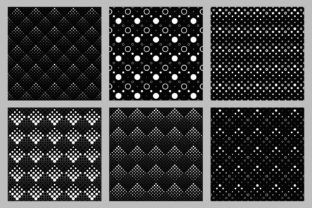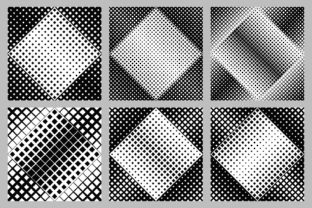
6 Seamless Halftone Square Patterns: A Versatile Design Tool for Creative and Practical Use
Design elements like 6 Seamless Halftone Square Patterns offer a unique blend of aesthetics and functionality. These patterns are not just decorative; they serve as a foundational asset in various creative and practical workflows. Whether you're working on branding, web design, print materials, or digital art, understanding how to integrate these patterns effectively can elevate your projects and streamline your processes.
What Are 6 Seamless Halftone Square Patterns?
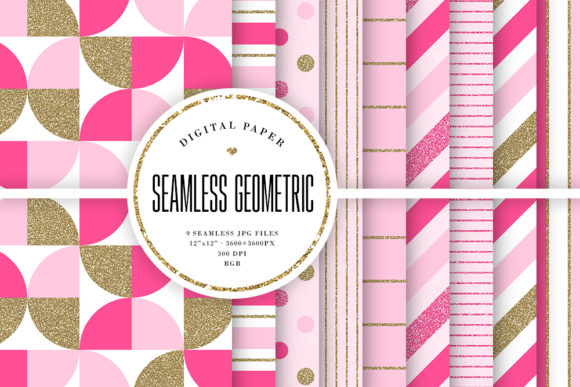
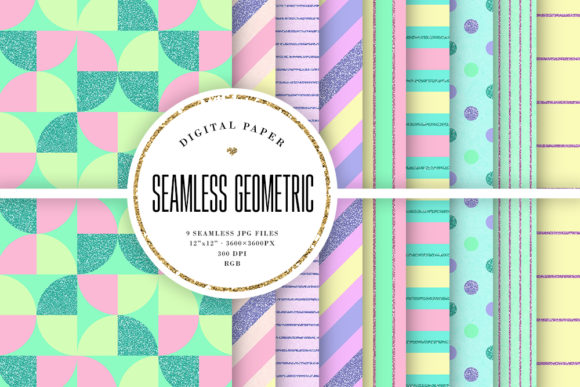
6 Seamless Halftone Square Patterns refer to a set of six distinct background designs composed of square shapes that create a halftone effect. The term "seamless" means that the pattern can be repeated without visible seams, making it ideal for large-scale applications. Each pattern features a different arrangement of squares, offering versatility in visual impact and adaptability across different mediums.
These patterns are typically available in vector formats such as EPS and AI, which allow for scalability without loss of quality. They can also be exported as high-resolution JPGs, ensuring compatibility with both digital and print environments. This dual format support makes them a valuable resource for designers who need flexibility in their workflow.
Where Do These Patterns Fit Into Broader Processes?
The use of 6 Seamless Halftone Square Patterns is often part of a larger design process. For instance, when creating a brand identity, these patterns can be used as a base layer for logos, typography, or other graphical elements. In web development, they can serve as background textures that enhance user experience without overwhelming the content.
Additionally, these patterns can play a role in pre-production stages, such as mockups or mood boards, where visual consistency is key. During the production phase, they can be layered over text or images to add depth and texture. Even in post-production, they can be used to refine the final look of a project by adding subtle visual interest.
Practical Applications Across Industries
The versatility of 6 Seamless Halftone Square Patterns extends beyond traditional design fields. Here are some real-world use cases:
- Marketing Materials: Use these patterns as backgrounds for brochures, posters, or social media graphics to create a cohesive visual style.
- Web Design: Incorporate them into website backgrounds to enhance aesthetics while maintaining readability.
- Print Media: Apply them to packaging, banners, or signage for a professional yet artistic finish.
- Digital Art: Layer them beneath illustrations or photographs to add texture and depth.
- Education: Utilize them in presentations or teaching materials to make content more engaging.
- Personal Projects: Use them as a creative tool for personal expression or experimentation with design.
By integrating these patterns into different phases of a project, designers can maintain a consistent visual language that supports both creativity and functionality.
How to Integrate 6 Seamless Halftone Square Patterns Into Your Workflow
Integrating 6 Seamless Halftone Square Patterns into your workflow requires careful planning and consideration of several factors:
- Preparation: Choose the right pattern based on the project's purpose and desired aesthetic. Consider color schemes, contrast, and overall tone.
- Compatibility: Ensure that the chosen format (vector or raster) is compatible with your design software and intended output.
- Usability: Test the pattern in different contexts to ensure it enhances rather than detracts from the design.
- Organization: Keep a well-organized library of patterns to easily access them during future projects.
- Efficiency: Use templates or pre-designed layouts that incorporate these patterns to save time and maintain consistency.
- Consistency: Apply the same patterns across related projects to build a recognizable brand identity or design style.
- Quality Control: Always review the final output to ensure the patterns do not compromise clarity or legibility.
- Long-Term Use: Update or replace patterns as needed to keep your design assets fresh and relevant.
By following these steps, you can seamlessly incorporate 6 Seamless Halftone Square Patterns into your workflow without disrupting your creative process.
Working With Other Tools and Resources
6 Seamless Halftone Square Patterns are most effective when used in conjunction with other design tools and resources. For example, pairing them with graphic design software like Adobe Illustrator or Photoshop allows for greater customization and control. Additionally, using them alongside typography, photography, or illustration can create a more dynamic and visually appealing composition.
When working with clients or collaborators, it's important to communicate how these patterns will be used and what their role is within the overall design. This ensures everyone involved has a clear understanding of the visual direction and how the patterns contribute to the final outcome.
Observations and Tips for Effective Use
While 6 Seamless Halftone Square Patterns offer many benefits, there are a few observations and tips to keep in mind:
- Balance is Key: Avoid overusing patterns, as this can lead to visual clutter. Use them strategically to enhance, not overwhelm, the design.
- Layering Techniques: Experiment with layering patterns over text or images to create depth and dimension.
- Customization Options: Modify the patterns slightly to better fit the specific needs of a project, such as adjusting size or opacity.
- Responsive Design: When using these patterns on websites, ensure they scale appropriately across different screen sizes.
- Cultural Sensitivity: Be mindful of cultural connotations associated with certain patterns, especially if the design is intended for international audiences.
- Feedback Loop: Gather feedback from stakeholders or users to determine if the patterns are achieving the intended effect.
By being mindful of these considerations, you can maximize the potential of 6 Seamless Halftone Square Patterns and ensure they contribute positively to your design outcomes.