All Squares Matched Colors Patterns
When designing layouts, branding elements, or visual content, the choice of color schemes plays a critical role in how information is perceived and retained. All Squares Matched Colors Patterns offer a structured yet flexible approach to color coordination that can enhance both aesthetics and functionality across various applications. These patterns are particularly useful for those looking to create consistent, visually appealing designs without sacrificing clarity or usability.
Understanding All Squares Matched Colors Patterns
All Squares Matched Colors Patterns refer to a set of predefined color combinations where each square within a grid or layout uses a specific color that aligns with a broader theme or purpose. This method ensures that every element contributes to a cohesive visual language, making it ideal for use in design systems, user interfaces, print materials, and digital assets.
The core idea behind these patterns is to maintain balance and harmony while allowing for creative flexibility. Each pattern typically includes a mix of colors that complement one another, creating a sense of unity and professionalism. Whether you're working on a website, a presentation, or an educational resource, these patterns provide a reliable foundation for your design choices.
Key Characteristics and Strengths
- Consistency: By using pre-defined color sets, designers can ensure that all elements align with a unified brand identity or project vision.
- Flexibility: While there is structure, these patterns allow for customization based on specific needs or contexts.
- Visual Appeal: Thoughtfully chosen color combinations can enhance readability, engagement, and overall user experience.
- Efficiency: Pre-designed patterns save time by reducing the need for trial and error during the design process.
- Adaptability: These patterns can be applied across different mediums, from print to digital platforms, ensuring a seamless transition between formats.
Practical Applications Across Industries
All Squares Matched Colors Patterns find utility in a wide range of industries and scenarios. Here are some real-world examples:
Professional and Commercial Use
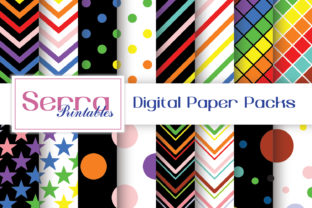
In professional settings, such as marketing campaigns or corporate branding, these patterns help establish a strong visual identity. For instance, a company might use a Red White Blue Yellow and Green pattern to reflect energy, trust, and innovation in their branding materials. This combination not only conveys reliability but also adds a dynamic feel that resonates with target audiences.
Education and Learning Environments
For educators and instructional designers, these patterns can aid in creating visually engaging learning materials. A Pink Brown White Green And Cyan scheme, for example, can be used in e-learning modules to differentiate sections and improve comprehension. The soft tones and high contrast make it easier for learners to navigate through content effectively.
Creative and Digital Projects
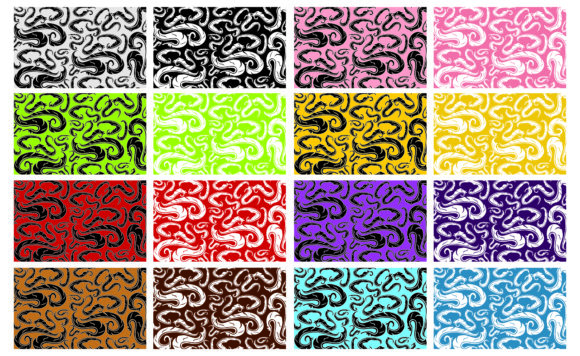
Creatives and digital artists often rely on color theory to guide their work. All Squares Matched Colors Patterns provide a structured way to explore color relationships. A Beige brown red and green combination, for instance, can be used in graphic design projects to evoke warmth and natural elements, making it ideal for environmental or lifestyle themes.
Selecting the Right Pattern for Your Needs
Choosing the right All Squares Matched Colors Pattern depends on several factors, including the purpose of the design, the audience, and the platform being used. Consider the following when evaluating options:
Consider the Purpose
Determine whether the design is meant for branding, communication, or aesthetic appeal. Some patterns are more suited for formal environments, while others work better in casual or creative contexts.
Assess the Audience
Think about who will interact with the design. A Orange Black Yellow and Navy Blue pattern may be more engaging for younger audiences, while a more subdued palette like Orange Pink Green White and Black could be better for professional or academic settings.
Check Compatibility
Ensure that the chosen pattern works well across different devices and screen sizes. Test how the colors appear in various lighting conditions and backgrounds to avoid unintended visual effects.
Real-World Examples and Recommendations
One practical application of All Squares Matched Colors Patterns is in the creation of dashboards or data visualization tools. Using a Red White Blue Yellow and Green pattern can help users quickly identify key metrics and trends. Similarly, a Pink Brown White Green And Cyan scheme might be effective in educational software where clear differentiation between topics is essential.
For businesses looking to streamline their design processes, investing in a set of All Squares Matched Colors Patterns can significantly reduce development time and improve consistency across all branding materials. It’s also worth considering how these patterns can be integrated into existing design systems or templates to maintain a unified look and feel.
Final Thoughts
All Squares Matched Colors Patterns offer a powerful tool for designers, creators, and professionals seeking to build visually cohesive and functional designs. By understanding the characteristics, strengths, and applications of these patterns, you can make informed decisions that enhance both the appearance and effectiveness of your work. Whether you're designing for business, education, or personal projects, the right color scheme can make all the difference in how your message is received and remembered.