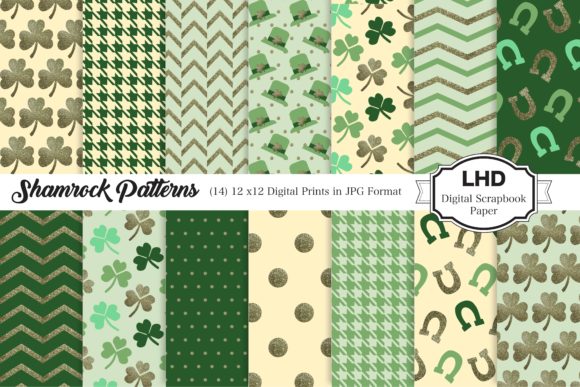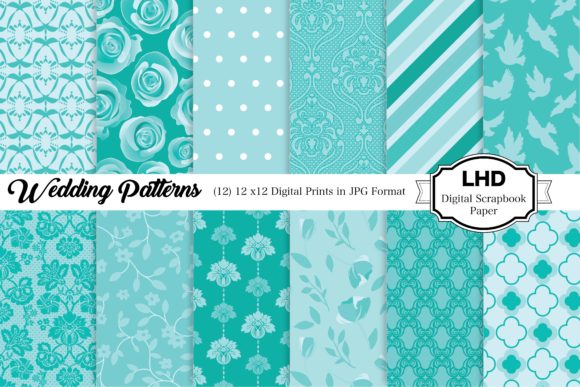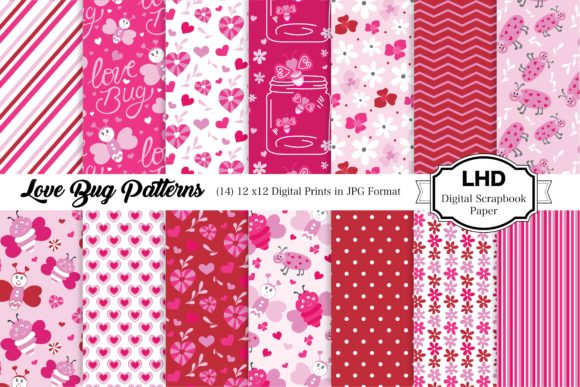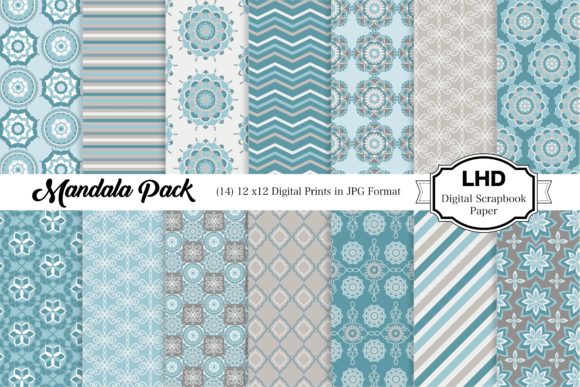
Spring Patterns: Enhancing Creativity with Digital Paper Designs
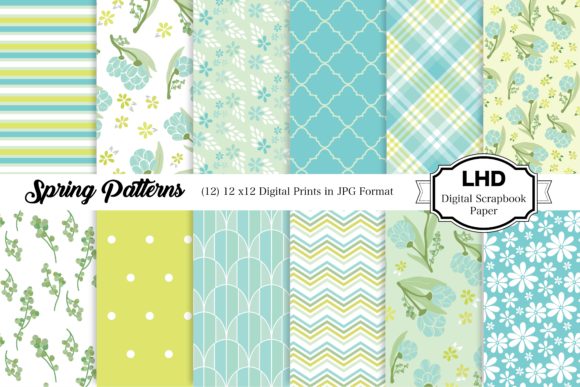
Spring is a season of renewal, and with it comes a fresh start for creative projects. Whether you're designing invitations, crafting scrapbook pages, or creating digital content for your blog, having the right tools can make all the difference. Spring Patterns offers a collection of 12 high-quality digital paper designs that are perfect for a wide range of uses. These patterns come in a 12 x 12 inch size, formatted as JPG files at 300 dpi, ensuring they are both high-resolution and versatile.
What Are Spring Patterns?
Spring Patterns is a curated set of digital paper designs designed to support various creative and professional workflows. Each pattern is crafted with attention to detail, making them ideal for use in multiple contexts. From stationery and wrapping paper to website backgrounds and blog wallpapers, these designs offer a cohesive and stylish solution for any project.
The digital format of Spring Patterns makes them easy to access and use. With instant digital downloads, you can quickly integrate these designs into your existing workflow without the need for physical materials. This convenience is especially valuable for professionals who rely on efficient processes and quick turnaround times.
Where Do Spring Patterns Fit In?
Spring Patterns can be integrated into various stages of a creative or business process. Before starting a project, using these patterns can help set a consistent visual tone. During the design phase, they provide a reliable base for layouts and compositions. After completion, they can be used for final touches or as part of promotional materials.
For example, when planning a birthday event, Spring Patterns can be used to create custom invitations, gift tags, and decorations. Similarly, educators can incorporate these designs into lesson plans or classroom materials to enhance engagement and visual appeal.
Practical Uses of Spring Patterns
The versatility of Spring Patterns allows them to be used in numerous ways across different industries and applications. Here are some practical use cases:
- Invitations and Event Materials: Use Spring Patterns to create elegant and eye-catching invitations for weddings, birthdays, and corporate events.
- Scrapbooking and Crafting: Incorporate these designs into scrapbook layouts, card making, and other craft projects to add a touch of springtime charm.
- Stationery and Office Supplies: Customize your stationery, notebooks, and calendars with Spring Patterns to reflect a seasonal theme or personal style.
- Website and Blog Design: Use these patterns as background elements or overlays to enhance the aesthetic of your online presence.
- Marketing and Branding: Integrate Spring Patterns into marketing materials such as brochures, flyers, and social media graphics to align with seasonal themes.
- Product Packaging: Apply these designs to wrapping paper, hang tags, and product packaging to create a cohesive and appealing brand image.
By incorporating Spring Patterns into these areas, you can elevate the quality and consistency of your work while maintaining a strong visual identity.
Integrating Spring Patterns Into Your Workflow
Integrating Spring Patterns into your workflow requires careful planning and consideration of how they will fit within your existing processes. Start by identifying the specific tasks or projects where these designs will be most beneficial. For instance, if you're working on a blog post, consider using a Spring Pattern as a wallpaper or background element to create a visually engaging layout.
Next, ensure that the file format and resolution of the patterns are compatible with your tools and platforms. Since Spring Patterns are provided in JPG format at 300 dpi, they should work well with most graphic design software and online editors. It's also important to organize your files properly to maintain efficiency and avoid confusion.
When using Spring Patterns in a team setting, communicate clearly about their intended use and ensure that everyone involved understands how to apply them effectively. This helps maintain consistency and ensures that the final output meets the desired standards.
Workflow Examples and Observations
Let’s explore a few workflow examples to illustrate how Spring Patterns can be used in practice:
Example 1: Creating a Birthday Card
- Choose a Spring Pattern that reflects the theme of the birthday celebration.
- Open your design software and import the selected pattern as a background.
- Design the card layout, adding text, images, and other elements as needed.
- Export the final design in the appropriate format for printing or digital sharing.
Example 2: Designing a Website Background
- Select a Spring Pattern that complements the overall aesthetic of your website.
- Upload the pattern to your website builder or CMS as a background image.
- Adjust the opacity or layer settings to ensure the design remains subtle and functional.
- Test the background across different devices to ensure it displays correctly.
These examples highlight how Spring Patterns can be seamlessly integrated into various creative and professional workflows. By following a structured approach, you can maximize the benefits of these designs while maintaining efficiency and quality.
Factors to Consider When Using Spring Patterns
When incorporating Spring Patterns into your work, several factors should be considered to ensure optimal results:
- Preparation: Ensure that you have the necessary tools and software to work with the digital files.
- Compatibility: Check that the file format and resolution are suitable for your intended use.
- Usability: Test the patterns in different contexts to ensure they function as expected.
- Organization: Keep your files organized to streamline your workflow and avoid confusion.
- Efficiency: Use Spring Patterns to save time and effort in repetitive design tasks.
- Consistency: Maintain a consistent visual style across all projects that use these patterns.
- Quality Control: Review the final output to ensure it meets the desired standards.
- Long-Term Use: Consider how the patterns will be used over time and whether they remain relevant.
By addressing these factors, you can ensure that Spring Patterns are used effectively and efficiently in your workflow.