Japanese Wave Patterns: A Versatile Design Element for Modern Creative Projects
Japanese Wave Patterns have become a staple in the world of digital design, offering both aesthetic appeal and functional versatility. These intricate waveforms, inspired by the natural motion of ocean waves and traditional Japanese art, are not just visually striking—they also serve as a powerful tool for designers across various industries. This article explores how these patterns can be effectively used in a wide range of creative projects, from digital scrapbooking to social media content, and why they continue to gain popularity among professionals and hobbyists alike.
The Origins and Characteristics of Japanese Wave Patterns
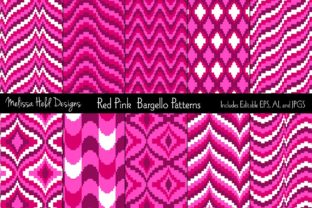
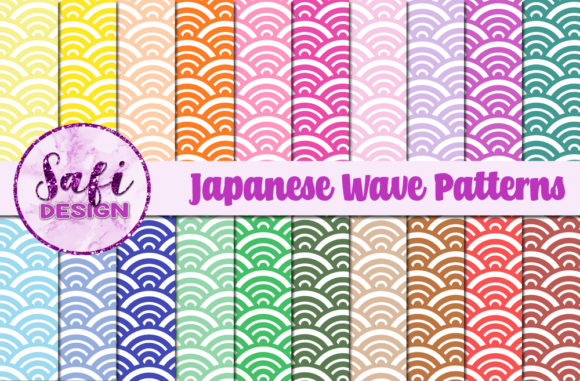
Japanese Wave Patterns draw their inspiration from the rhythmic flow of water, often depicted in traditional Japanese art such as ukiyo-e prints and ink wash paintings. These designs typically feature smooth, flowing lines that mimic the movement of waves, creating a sense of motion and harmony. The patterns are usually symmetrical and repeatable, making them ideal for seamless tiling in digital backgrounds.
One of the defining characteristics of Japanese Wave Patterns is their ability to blend seamlessly with other design elements. Whether used as a subtle background or as a bold accent, these patterns add depth and visual interest without overwhelming the overall composition. Their fluid nature also makes them adaptable to a variety of color schemes and design styles, allowing for endless creative possibilities.
Why Choose Japanese Wave Patterns for Digital Backgrounds?
When it comes to selecting digital backgrounds, Japanese Wave Patterns offer several advantages that make them a preferred choice for designers. First and foremost, their seamless tiling capability ensures that there are no visible seams or disruptions in the design, which is essential for maintaining a cohesive look across large layouts.
Additionally, these patterns are highly versatile in terms of application. They can be used in a wide range of contexts, including digital scrapbooking, teaching resources, card making, and even branding materials. Their timeless aesthetic appeals to both traditional and modern audiences, making them a valuable asset for any designer’s toolkit.
Another key benefit of Japanese Wave Patterns is their adaptability to different resolutions and sizes. With dimensions of 12 x 12 inches (30cm x 30cm) and a resolution of 300 dpi, these backgrounds are optimized for high-quality printing and digital use. This ensures that the patterns remain sharp and clear, whether they are printed on physical media or displayed online.
Applications of Japanese Wave Patterns in Creative Projects
Japanese Wave Patterns find application in numerous creative fields, each benefiting from their unique visual properties. In digital scrapbooking, these patterns can serve as a backdrop for photos and memorabilia, adding a touch of elegance and nostalgia. Similarly, they can enhance the visual appeal of digital planners, helping users stay organized while enjoying a calming and artistic environment.
In the realm of education, Japanese Wave Patterns can be incorporated into teaching resources such as flashcards, worksheets, and presentation slides. Their soothing and dynamic appearance can help maintain student engagement while providing a visually stimulating learning experience. For educators looking to create more engaging materials, these patterns offer an easy yet effective way to elevate the design quality of their resources.
For graphic designers and illustrators, Japanese Wave Patterns can act as a base layer for illustrations, helping to create a sense of depth and movement. They can also be used as decorative elements in logos, branding materials, and packaging designs, contributing to a cohesive brand identity.
Business owners and marketers can leverage these patterns to create eye-catching social media posts, flyers, and promotional materials. The fluid and elegant nature of the patterns can help convey a sense of professionalism and creativity, making them an excellent choice for branding and advertising campaigns.
Considerations for Using Japanese Wave Patterns
While Japanese Wave Patterns are incredibly versatile, there are a few considerations to keep in mind when incorporating them into your projects. One important factor is the balance between the pattern and other design elements. Since these patterns are often quite detailed, it’s essential to ensure that they do not overshadow the main content or distract from the overall message.
Another consideration is the color palette. While the patterns themselves are neutral, the colors you choose to pair with them can significantly impact the final result. It’s recommended to test different color combinations to find the most harmonious and visually appealing pairing.
Additionally, the resolution and file format of the patterns should be taken into account, especially if you plan to print the designs. High-resolution JPEG files at 300 dpi are ideal for ensuring that the patterns remain crisp and clear, regardless of the intended use.
Real-World Examples of Japanese Wave Patterns in Action
To better understand the practical applications of Japanese Wave Patterns, let’s explore some real-world examples. In the world of stationery, many brands have incorporated these patterns into notebooks, calendars, and greeting cards. The soft, flowing lines of the patterns complement the minimalist and elegant design of these products, making them popular among both consumers and gift-givers.
In the realm of digital marketing, Japanese Wave Patterns have been used in social media templates and email newsletters. These patterns provide a visually engaging backdrop that enhances the readability of text while maintaining a clean and professional aesthetic. This makes them particularly useful for content creators who want to stand out in a crowded digital space.
For event planners and party organizers, Japanese Wave Patterns can be used to create custom invitations, banners, and signage. The patterns add a touch of cultural flair and visual interest, making them an excellent choice for themed events and celebrations.
Finally, in the field of research and data visualization, these patterns have been used to create infographics and reports that are both informative and aesthetically pleasing. The dynamic nature of the patterns helps to convey complex information in a more engaging and digestible format.
Conclusion
Japanese Wave Patterns are more than just a design trend—they are a versatile and enduring element that continues to inspire creativity across multiple industries. From digital scrapbooking to branding and education, these patterns offer a unique combination of beauty, functionality, and adaptability. By understanding their characteristics and applications, designers can harness their potential to create compelling and visually stunning projects that resonate with a wide audience.