Panda Element Patterns: A Simple Way to Add Charm and Humor to Your Projects
In a world where design is often associated with professionalism and seriousness, there's a growing trend that adds a playful twist—Panda Element Patterns. These patterns are not just decorative; they serve a purpose in making your projects more approachable, engaging, and even memorable. Whether you're working on a website, a mobile app, or a physical product, incorporating panda element patterns can make your project look cute and funny, which can be a powerful tool in capturing attention and building brand personality.
What Are Panda Element Patterns?
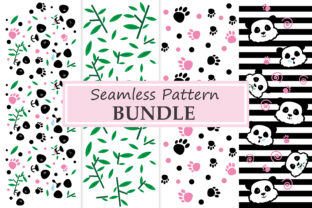
Panda Element Patterns refer to the use of stylized panda imagery or elements that mimic the appearance of pandas in various design contexts. These can include cartoon-style pandas, panda-shaped icons, or even abstract shapes inspired by panda characteristics like round bodies, black-and-white color schemes, and expressive eyes. The key here is not to replicate real pandas but to capture their essence in a way that aligns with your project’s tone and style.
These patterns are versatile and can be adapted to suit different industries. For instance, a children's educational app might benefit from bright, playful panda designs, while a corporate website could use more subdued, minimalist panda elements to add a touch of whimsy without being too distracting.
The Benefits of Using Panda Element Patterns
One of the most significant advantages of panda element patterns is their ability to make your project stand out. In a sea of similar designs, adding a panda-themed element can help your project feel unique and memorable. This is especially useful in competitive markets where first impressions matter.
Additionally, panda element patterns can enhance user engagement. Studies have shown that users tend to respond positively to designs that evoke emotion, and pandas are universally loved for their cuteness and humor. By incorporating these elements, you can create a more enjoyable user experience that keeps people coming back.
Another benefit is the brand personality they can convey. If your brand values fun, creativity, or approachability, panda element patterns can reinforce that identity. They allow you to communicate your brand's values in a subtle yet effective way, helping to build stronger connections with your audience.
When to Use Panda Element Patterns
While panda element patterns can be used in a variety of contexts, it's important to consider the appropriateness of their use. Here are some scenarios where they work best:
- Children's Products: Pandas are naturally appealing to younger audiences, making them ideal for toys, games, and educational materials.
- Marketing Campaigns: Adding a panda element can make your campaign more relatable and shareable, especially on social media platforms.
- Web and App Design: Incorporating panda-inspired UI elements can make your digital interface feel friendlier and more inviting.
- Branding: If your brand wants to appear more approachable and light-hearted, panda elements can help shape that perception.
- Event or Promotional Materials: Panda themes can add a festive and humorous tone to event invitations, posters, or promotional content.
However, it's also important to be mindful of overuse. While panda elements can add charm, too many can overwhelm the design and distract from the main message. Use them strategically to maintain balance and clarity.
How to Incorporate Panda Element Patterns Effectively
Integrating panda element patterns into your project doesn't have to be complicated. Here are some practical tips to help you do it right:
1. Start Small: Begin with simple elements like icons or background textures. This allows you to test how they affect the overall design before committing to larger-scale integration.
2. Choose the Right Style: Consider the tone of your project when selecting panda elements. A cartoon-style panda may be more appropriate for a children's app, while a minimalist panda icon might fit better in a professional setting.
3. Maintain Consistency: Ensure that all panda elements are consistent in style, color, and placement. This helps create a cohesive visual identity and prevents the design from looking cluttered.
4. Use Them Sparingly: As mentioned earlier, moderation is key. Use panda elements to highlight specific areas or features rather than overwhelming the entire design.
5. Test with Real Users: Before finalizing your design, gather feedback from real users to see how they perceive the panda elements. Their insights can help you refine your approach and ensure the design meets its intended goals.
Examples of Panda Element Patterns in Action
To better understand how panda element patterns can be applied, let's look at a few real-world examples:
Example 1: Educational App for Kids
A learning app designed for young children might use panda characters as avatars or mascots. These characters can guide users through lessons, making the experience more interactive and enjoyable. The panda's friendly demeanor helps reduce any anxiety or pressure associated with learning.
Example 2: Branding for a Tech Startup
A tech startup aiming to appear innovative yet approachable might incorporate panda-inspired icons in their logo or website design. These elements add a human touch to a typically technical brand, making it more relatable and memorable.
Example 3: Social Media Campaign
A social media campaign promoting a new product could feature panda-themed graphics or stickers. These elements encourage user interaction and sharing, helping to increase visibility and engagement.
Considerations Before Adopting Panda Element Patterns
Before jumping into using panda element patterns, it's important to consider a few factors:
1. Target Audience: Make sure the panda elements resonate with your audience. What appeals to one group may not work for another. Conduct research or gather feedback to ensure your choice aligns with your target demographic.
2. Cultural Sensitivity: While pandas are generally well-liked, it's important to be aware of cultural nuances. In some regions, certain panda-related symbols may carry different meanings or associations. Always verify that your use is appropriate and respectful.
3. Brand Alignment: Ensure that the panda elements you choose reflect your brand's values and mission. They should enhance your brand identity rather than contradict it.
4. Technical Feasibility: Depending on the platform or medium you're using, the implementation of panda elements may vary. Consider the technical requirements and limitations to avoid complications during development.
5. Long-Term Viability: Think about how long you plan to use panda elements. Will they remain relevant over time? Some trends may fade, so it's wise to choose elements that have lasting appeal.
Final Thoughts on Panda Element Patterns
Using panda element patterns can be a great way to inject charm and humor into your projects. They offer a unique opportunity to connect with your audience in a more personal and engaging way. However, it's essential to approach their use thoughtfully and strategically. By understanding their benefits, knowing when to apply them, and considering the broader implications, you can harness the power of panda element patterns to create designs that are both visually appealing and emotionally resonant.