Traditional Batik Patterns: A Timeless Art Form for Modern Creativity
Batik, a traditional textile art form originating from Indonesia, has been cherished for centuries for its intricate patterns and cultural significance. Today, traditional batik patterns continue to inspire designers, artists, and creators across the globe. Whether you're working on a magazine cover, a book design, or any creative project that requires visual storytelling, understanding and utilizing traditional batik patterns can elevate your work with authenticity and aesthetic appeal.
The Origins and Cultural Significance of Traditional Batik Patterns
Batik is more than just fabric; it's a symbol of identity, heritage, and craftsmanship. The word "batik" comes from the Malay word "batik," meaning "to write" or "to draw." This reflects the hand-drawn nature of the craft, where artisans use wax-resist dyeing techniques to create unique designs on fabric. Each pattern carries a story, often rooted in local traditions, social status, or spiritual beliefs.
Traditional batik patterns are categorized into several types, each with its own historical and cultural context. For example:
- Kawung: Known for its geometric patterns, this style is commonly associated with Javanese culture and often used in ceremonial occasions.
- Parang: Featuring bold, sweeping lines, this pattern is popular in Central Java and symbolizes strength and resilience.
- Motif Parang Rawa: A variation of the parang pattern, it is widely used in everyday clothing and is known for its versatility.
- Songket: While not strictly batik, songket is a type of woven fabric often paired with batik for added texture and luxury.
These patterns are not only visually striking but also rich in symbolism. They can represent natural elements, spiritual concepts, or even historical events. Understanding these meanings allows creators to use batik patterns in a more meaningful and culturally respectful way.
Why Traditional Batik Patterns Are Perfect for Creative Projects
For those who enjoy designing magazine covers, books, or other publications with a theme of traditional culture, traditional batik patterns offer a wealth of inspiration. These patterns are versatile, adaptable, and timeless, making them ideal for both digital and print media.
One of the greatest advantages of using traditional batik patterns is their ability to be customized. While the original designs are deeply rooted in tradition, they can be modified to suit modern tastes. Whether you want to change the color palette, scale the design, or blend multiple patterns together, the flexibility of batik allows for endless creative possibilities.
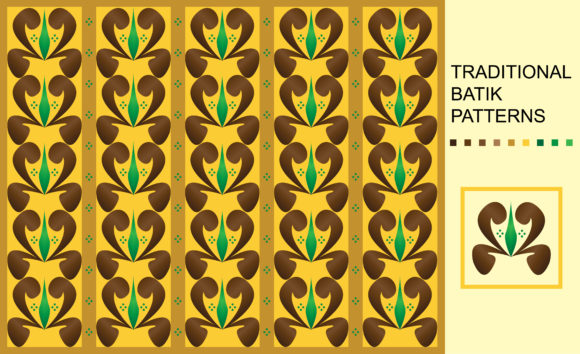
Moreover, the availability of high-quality digital files makes it easier than ever to incorporate batik into your projects. A zip packaged file containing EPS 10 and JPG 5000 x 3050 72 Dpi formats ensures that you have access to both vector and raster versions of the patterns. This means you can use the EPS files for scalable graphics and the JPGs for web and print purposes without compromising quality.
How to Use Traditional Batik Patterns in Your Design Work
Incorporating traditional batik patterns into your design workflow can be done in several ways:
- As Background Elements: Use batik patterns as subtle background textures to add depth and visual interest to your layouts.
- As Accent Graphics: Incorporate small sections of batik patterns as borders, headers, or decorative elements to enhance the overall design.
- As Full-Face Covers: For magazine covers or book titles, batik patterns can serve as the main visual element, creating a strong and memorable first impression.
- As Custom Illustrations: Blend batik motifs with other artistic elements to create unique illustrations that reflect both tradition and innovation.
By integrating traditional batik patterns into your creative projects, you not only honor the cultural heritage of this art form but also bring a sense of authenticity and uniqueness to your work.
Common Misconceptions About Traditional Batik Patterns
Despite their widespread appeal, there are some common misconceptions about traditional batik patterns that may limit their use in modern contexts:
- Misconception 1: Batik is only for formal or ceremonial use. In reality, batik patterns can be adapted for casual wear, home décor, and even digital art, making them accessible to a wide range of audiences.
- Misconception 2: Batik is too complex to use in modern design. With the right tools and resources, such as the zip package mentioned earlier, anyone can easily incorporate batik into their work without needing advanced skills.
- Misconception 3: Batik is only relevant in Indonesia. While batik originated in Indonesia, its influence extends globally, inspiring designers and artists around the world.
By addressing these misconceptions, we can better appreciate the adaptability and relevance of traditional batik patterns in today’s creative landscape.
The Role of Technology in Preserving and Promoting Traditional Batik Patterns
Technology plays a crucial role in preserving and promoting traditional batik patterns. Digital platforms allow for the easy sharing and distribution of batik designs, ensuring that this cultural heritage remains accessible to future generations. Additionally, advancements in graphic design software make it possible to manipulate and customize batik patterns with precision and ease.
Online marketplaces and design communities also provide opportunities for artists and designers to collaborate, share ideas, and sell their work. This not only helps sustain the batik industry but also encourages innovation by blending traditional techniques with modern aesthetics.
Conclusion: Embracing Tradition in Modern Design
Traditional batik patterns are more than just beautiful designs—they are a testament to the creativity, history, and cultural richness of Indonesia. Whether you're a designer, artist, or simply someone who appreciates the beauty of traditional art, incorporating batik into your work can add depth, meaning, and visual appeal.
With the right resources, such as the zip packaged file containing EPS and JPG formats, you can easily integrate traditional batik patterns into your creative projects. By doing so, you not only celebrate a time-honored art form but also contribute to its continued relevance in the modern world.
So, why not explore the world of traditional batik patterns and discover how they can enhance your next design project? The possibilities are endless, and the beauty of batik is truly timeless.